
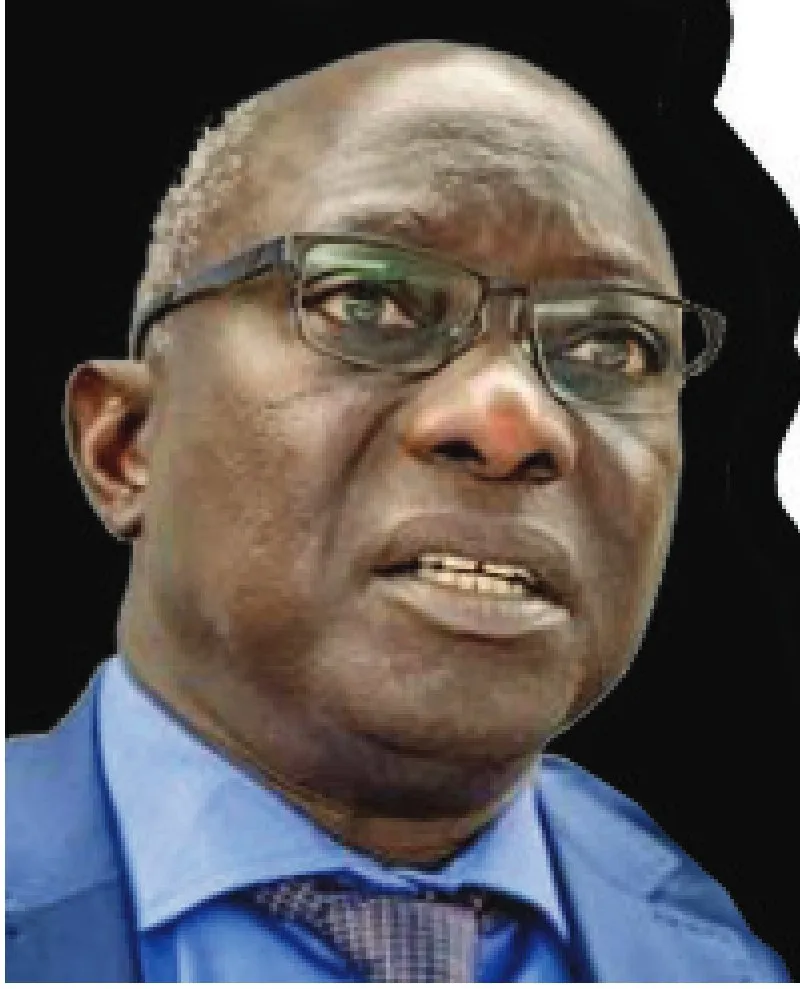
BY ADAMA DIENG
How many more women must suffer before we recognise violence against women for what it is: a profound failure of our common humanity?
On Wednesday, 25 November, we marked the International Day for the Elimination of Violence against Women. The observance called attention to a reality that demands action every day. Across the world, women and girls continue to endure physical abuse, sexual violence, exploitation, humiliation and discrimination, often in silence and without justice. Behind every statistic is a person whose dignity has been violated and whose life may have been changed for ever.
In armed conflicts, sexual violence continues to devastate lives and communities. Violence also occurs in homes, workplaces, schools and online. No culture, religion or tradition can justify it. Africa has made important commitments to women’s rights, notably through the Maputo Protocol. The test of those commitments is whether survivors can obtain protection and justice, and whether perpetrators are held accountable.
Three priorities demand action: protect survivors, ensure access to justice and end impunity.
Men must assume their share of responsibility. Fathers, husbands, brothers, community leaders and public officials must challenge attitudes that excuse violence or silence survivors. Religious and traditional leaders can use their influence to uphold dignity and respect and to speak out when abuse is excused.
Women are leaders, peacemakers and advocates whose voices must shape the decisions that affect their lives. Our outrage must lead to stronger protection, accessible justice, education that challenges attitudes that condone abuse, and accountability for perpetrators.
We should judge our progress by whether women and girls can live in safety and dignity, and whether those who experience violence can seek help and obtain justice. Violence against women is preventable. Our silence must end.
Adama Dieng is the African Union (AU) Special Envoy for the Prevention of Genocide and Other Mass Atrocities.
Support independent journalism in Arusha
Your gift keeps local reporting free and fearless.
Donate now
