
BY SUKHDEV CHHATBAR
For decades, geologists studying the volcanic rocks of the Ngorongoro highlands have noted unusual chemical signatures that often occur in mineral-rich volcanic systems, studies on the Ngorongoro area have indicated.
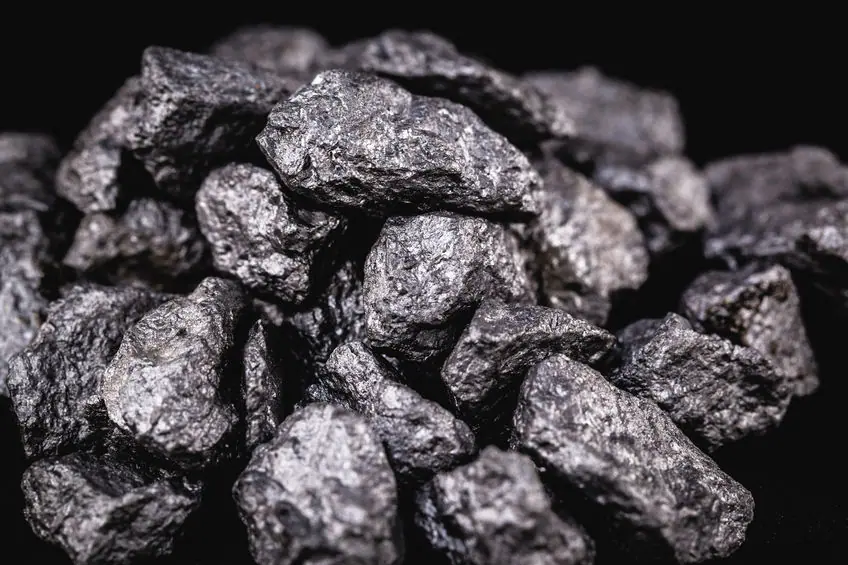
Scientific studies of the Crater’s ancient lava flows have identified elevated concentrations of elements such as zirconium and niobium, metals that are critical in modern industry for their use in high-strength alloys, aerospace components, electronics and advanced energy technologies.
That scientific curiosity gained renewed interest last week when President Samia Suluhu Hassan revealed that fact-finding reports presented to her suggested the Ngorongoro area may contain globally sought-after minerals.
The president made the remarks on March 12, 2026 at the Chamwino State House, Dodoma, when receiving reports from two presidential commissions established to examine the future of the Ngorongoro Conservation Area (NCA).
The commissions were tasked with reviewing land-use conflicts, conservation pressures and the government’s relocation programme affecting communities living within the protected area.
Scientific interest in Ngorongoro is not new. A 2008 study titled; Geochemical Evolution of Ngorongoro Caldera, Northern Tanzania: Implications for Crust–Magma Interaction, by M.R. Mollel, P.W. Layer and R.A. Renne, found that volcanic rocks from the caldera contained elevated levels of zirconium, niobium and hafnium, elements often associated with rare-metal and rare-earth minerals.
These metals are considered strategically important because of their specialised uses. Niobium, for example, is widely used to strengthen steel used in oil and gas pipelines, bridges, jet engines and spacecraft components while zirconium is used in nuclear reactors, medical equipment and high-temperature ceramics.
Hafnium, another rare metal sometimes associated with the same geological systems, is used in super-alloys for aircraft engines and control rods in nuclear reactors. Because of their importance in modern manufacturing and energy technologies, deposits containing such elements are increasingly regarded as strategic resources globally.
Earlier geological work by C.S. Grommé, R.S. Coe and D.L. Champion in 1971 analysed lava flows from the crater walls and dated the volcanic formation of the caldera to roughly 2.4 million years ago, highlighting the deep mantle processes that produced the region’s unusual volcanic chemistry.
The Ngorongoro highlands form part of the wider Crater Highlands volcanic belt along the East African Rift Valley, a geological environment known for complex magma systems. Nearby Oldoinyo Lengai, the only active carbonatite volcano in the world, has long drawn scientific attention because carbonatite volcanic systems globally are often associated with rare metals and rare-earth elements used in electronics, renewable energy technologies and high-performance industrial materials.
It was against this geological background that President Samia, upon receiving the commissions’ findings, noted that the Ngorongoro area contains “globally sought-after minerals.” The specific minerals were not identified in the public remarks, but the statement immediately added a new dimension to the debate over the future management of the conservation area.
The commissions were formed in February 2025 to investigate a range of issues surrounding Ngorongoro. One commission, chaired by Court of Appeal Judge, Justice Dr Gerard Ndika, examined land-use conflicts and conservation pressures in Ngorongoro, Pololeti Game Reserve and the Lake Natron area. The second commission, chaired by Engineer Musa Iyombe, reviewed the government’s relocation programme for residents of the conservation area.
Their findings reportedly highlight growing pressure on the Ngorongoro ecosystem as human population and livestock numbers increase within the protected area. The commissions examined the sustainability of the long-standing multiple land-use model, which allows wildlife conservation to coexist with human settlement and pastoralism.
The relocation of the Maasai pastoralists from Ngorongoro to other areas, including Msomera in Handeni District, Tanga region, has been one of the most controversial aspects of the policy debate. Some community representatives have argued that relocation took place amid concerns about consultation and the extent to which all affected residents fully understood or agreed to the process.
Government officials have consistently maintained that the relocation programme was voluntary and intended to reduce pressure on the fragile ecosystem while improving access to services such as schools, health facilities and water supply.
President Samia said the government would carefully study the reports before determining the next steps for the conservation area. The Ngorongoro Conservation Area, a UNESCO World Heritage Site, is one of Tanzania’s most important tourism destinations and a globally recognised wildlife sanctuary.
Yet, the scientific evidence suggesting unusual mineral chemistry beneath the ancient volcanic basin now adds another layer to the discussion. While Ngorongoro is celebrated worldwide for its wildlife and dramatic landscape, researchers say the geological story beneath its surface may be just as remarkable.

