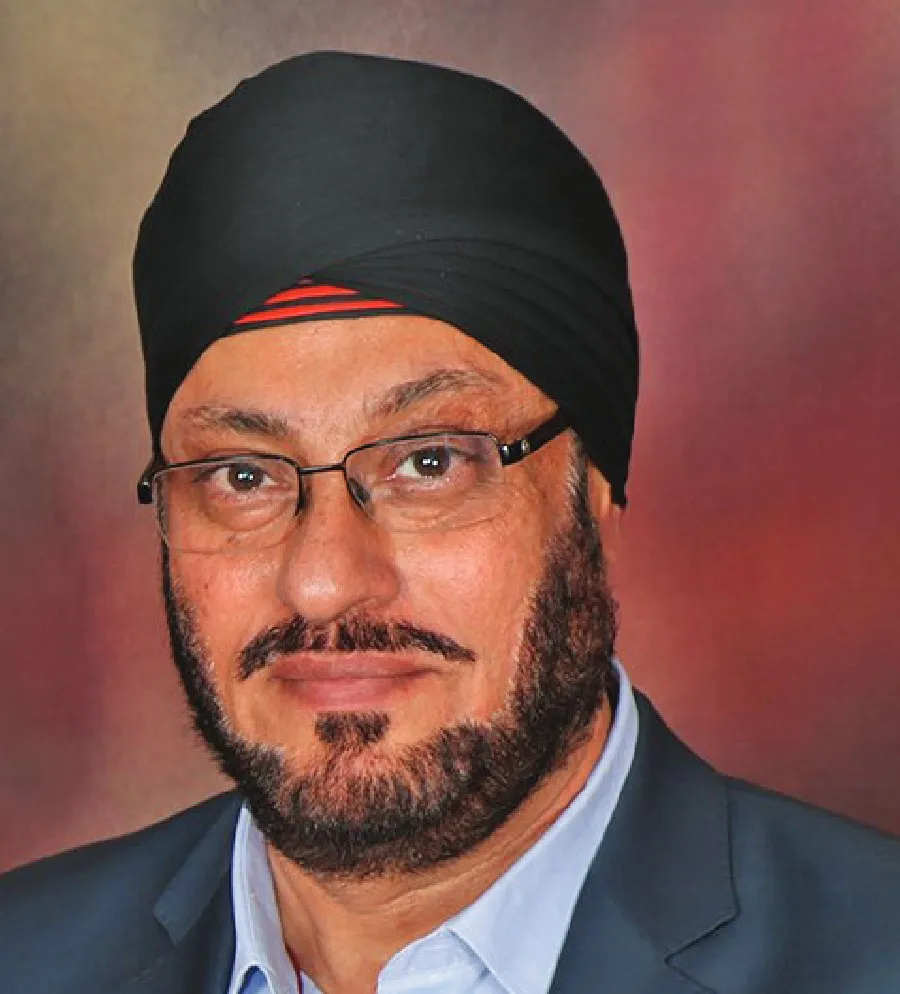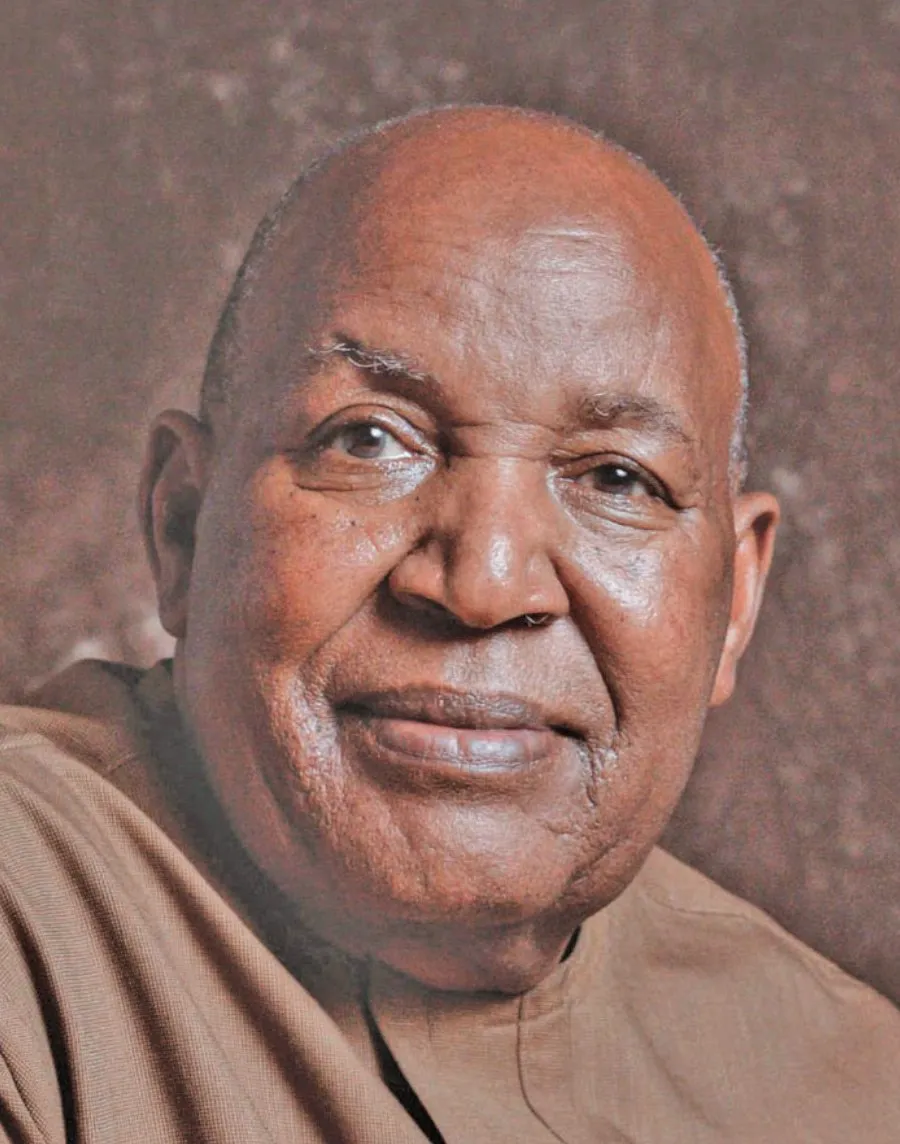
AMBASSADOR DANIEL OLE NJOOLAY
Former Arusha Regional Commissioner
The roofs leaked, water pooled on ward floors and nurses had to help clean up before attending to patients. That is how Ambassador Daniel Ole Njoolay remembers Mount Meru Hospital from his first visit as Arusha Regional Commissioner in 1996. He toured the hospital at the urging of surgeon Dr Goodluck Mariki and then enlisted local businesspeople to help restore it. A rehabilitation committee chaired by Tosky Hans raised funds through harambees, while Japan helped build and equip a new mortuary. As the hospital marks its centenary, Ambassador Njoolay tells The Arusha News how the effort also led to refurbished wards and a rebuilt outpatient department.
Q: What condition was Mount Meru Hospital in when you served as Arusha Regional Commissioner?
A: It is difficult to describe the condition of the hospital before rehabilitation began in late 1996. All the old buildings leaked profusely. The roofs and ceiling boards were in tatters. Water collected in potholes in the ward floors, and the bedding was old and torn.
Nurses had to help clean up before attending to patients. The mortuary was small and dirty, and some bodies were lying on the floor. In short, it was an eyesore. It was pathetic.
Q: What prompted you to intervene, and what were your first steps?
A: Dr Mariki, a surgeon, came to my office and introduced himself. I was still new to the job, and he asked me to visit Mount Meru Hospital. I promised him I would go, and I did.
We toured the whole hospital. What I saw affected me deeply. When I got back to my office, I consulted my staff. I told them the government had no money and that we needed to think outside the box and involve the public. I asked them for a list of influential people in the region, particularly businesspeople.
Q: How was the Mount Meru Hospital Rehabilitation Committee formed?
A: A day or two later, my staff gave me a list of 17 people. I knew only two or three of them. A week or two later, I invited them to my office, and a good number turned up. Before we talked, I took them on a tour of the hospital. When we got back, you could see how sad they were.
I asked them to do whatever they could to rehabilitate our hospital. On the advice of my staff, we proposed who should lead the committee. Mr Tosky Hans of Fibreboard became its chairman.
Q: What was the committee’s mandate, and how did it organise the rehabilitation work?
A: The committee’s mandate was to raise funds, oversee spending and carry out the rehabilitation one project at a time, with advice from the hospital management.
The committee reported to me from time to time on how much it had raised and spent, and where it needed me to intervene. I also gave the public progress updates on national occasions such as May Day and Independence Day.
Q: How did you encourage businesses, residents and other supporters to contribute?
A: The committee began raising funds through harambees and similar initiatives. I also took several foreign envoys to the hospital so they could see the situation for themselves. Keitaro Sato, then Japan’s ambassador to Tanzania, came forward to help build and equip a new mortuary. As I recall, it was the biggest modern mortuary in Tanzania at the time.
Q: What were the biggest challenges, and how did you overcome them?
A: The government had no money, even to support the public’s initiative. Some people would ask, ‘Hii ni kazi ya serikali, kwa nini nichangie?’ [‘This is the government’s job. Why should I contribute?’]
There were mixed feelings when the committee proposed that institutions that paid to rehabilitate an entire building should be allowed to put up a small sign acknowledging their contribution. The idea was to encourage others to come forward, and it did.
We started with 18 committee members, but barely 12 stayed to the end. There were also mixed feelings about our decision to appoint a private company to run the mortuary instead of leaving it under the hospital management.
Q: What improvements resulted from the committee’s work? Can you recall specific projects or achievements?
A: All the old wards were fully rehabilitated and looked new. The outpatient department was rebuilt, and the hospital gained paved areas and covered walkways. We had a new, fully equipped mortuary, and some new equipment was bought for the hospital. Staff morale improved considerably.
Q: As Mount Meru Hospital marks its centenary, what gives you the greatest satisfaction, and what is your message for its future?
A: I am really proud of the late Dr Mariki, who had the courage to approach a new regional commissioner he had never met before. I am also happy to have been part of Mount Meru Hospital’s 100-year history.
The government has now virtually rebuilt Mount Meru Hospital. It has new buildings, new equipment and many medical specialists, including subspecialists. I am sure staff pay is also much better than it was. I ask the staff to provide good care and to keep any inconvenience to patients to a minimum. God bless you all.
Support independent journalism in Arusha
Your gift keeps local reporting free and fearless.
Donate now