
FROM THE ARUSHA NEWS CORRESPONDENT IN DAR ES SALAAM
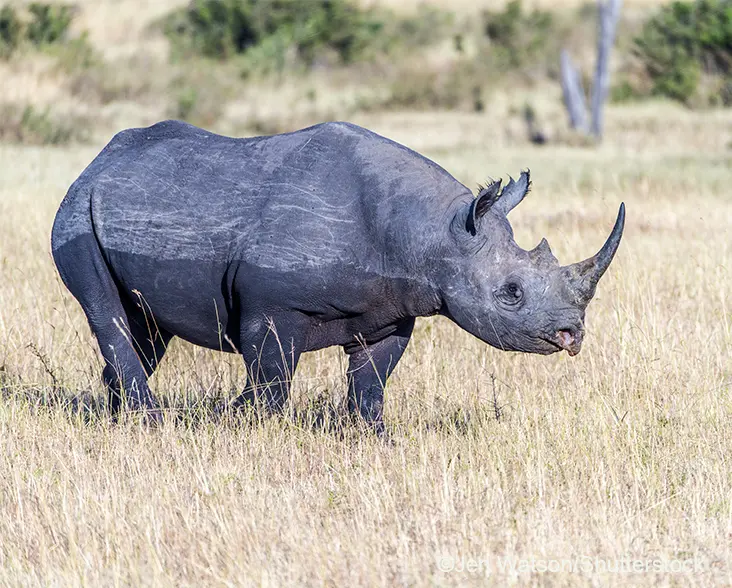
Black rhino numbers in the country have increased by nearly a third in five years, reaching an estimated 170 beasts following stronger measures to protect the endangered animals from poaching.
TANAPA Commissioner of Conservation (CC), Massana Mwishawa, said the population had risen from 128 animals in 2021 to the present figure, attributing the recovery to improved surveillance, better equipment and investment in conservation personnel.
He presented the figures during a briefing to editors and journalists in Dar es Salaam on 10 November, 2026. He said in the early 1980s, the country was left with only three black rhinos.
The gains marked progress in recovery after decades of poaching. Tanzania had an estimated 10,000 black rhinos in the 1970s, according to WWF, before illegal hunting drove the slow breeding animals to near extinction. A rhino pregnancy lasts for about 18 months, one of the longest gestation periods for land mammals.
Rhinos are targeted principally for their horns, which are trafficked to supply demand for traditional medicine linked to male potency and expensive gifts or ornaments, particularly in parts of Asia. Conservation organisation, Save the Rhino, says horns are also sought as symbols of wealth and social standing.
Mr Mwishawa said TANAPA had strengthened protection through the acquisition of 40 drones for aerial patrols and wildlife monitoring, alongside improvements to communication infrastructure. Enforcement operations also resulted in the seizure of 105 firearms and removal of 10,971 wire snares from protected areas. These operations covered wildlife protection generally.
Other gains included an increase in habituated chimpanzees from 196 to 288 between 2021 and 2026. At Mkomazi National Park, 12 African wild dogs were in a breeding area while 25 others had been released into the wild.
Mr Mwishawa also outlined measures to improve water availability for wildlife, conserve habitats and respond to conflicts between man and beasts. He said TANAPA, under community conservation projects, was supporting schools, health facilities and water projects around national parks while encouraging tourism businesses to buy more supplies from Tanzanian farmers and manufacturers.
